What Is Agnihotra? Discover the Rajyog Agnihotra Programme, Practice & Benefits
Our lives have become faster than ever.
From the moment we wake up, we are surrounded by phones, notifications, work, academic pressure, responsibilities, traffic, deadlines, and constant digital stimulation.
Amid all this activity, finding even a few moments to become silent, present, and conscious can be valuable.
Agnihotra is a traditional Vedic fire practice performed around sunrise and sunset. For practitioners, it creates a disciplined daily moment centered around fire, mantra, awareness, and reflection.
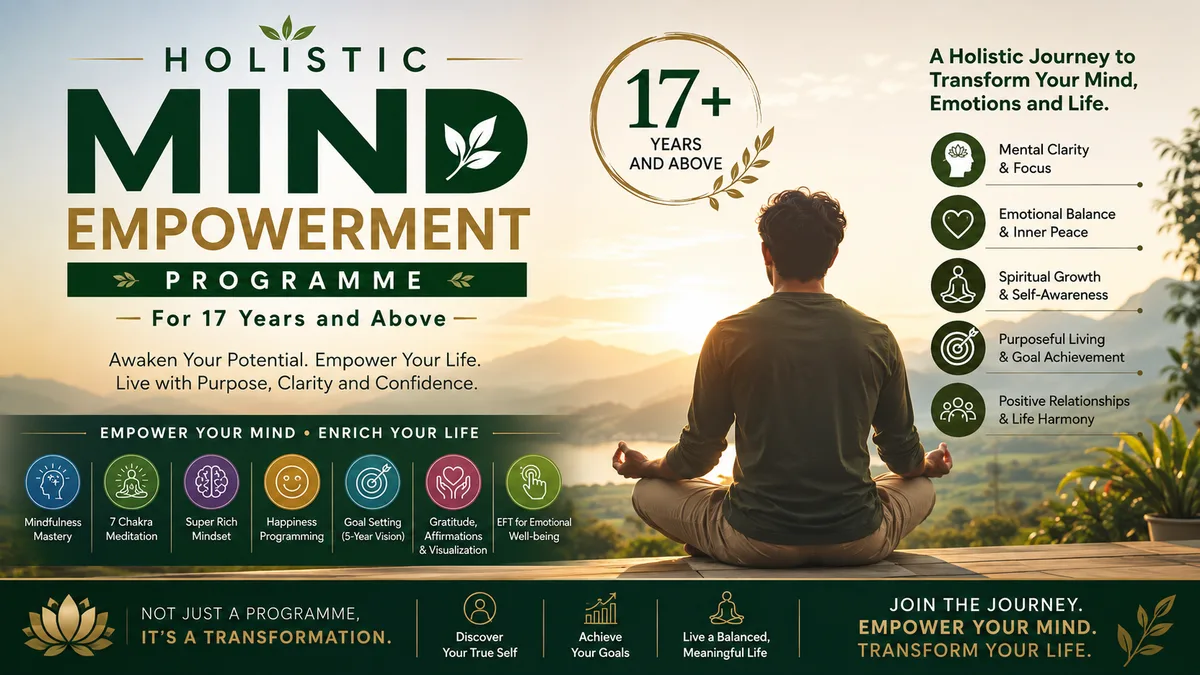
The Rajyog Agnihotra Programme by Rajyog Agnihotra Global Foundation aims to introduce this traditional practice in a structured, accessible, and responsible way for modern individuals, families, students, professionals, institutions, and communities.
What Is Agnihotra?
Agnihotra is a traditional fire offering associated with Vedic practices.
The term can broadly be understood through two concepts:
Agni — Fire
Hotra — Offering or sacred fire ritual
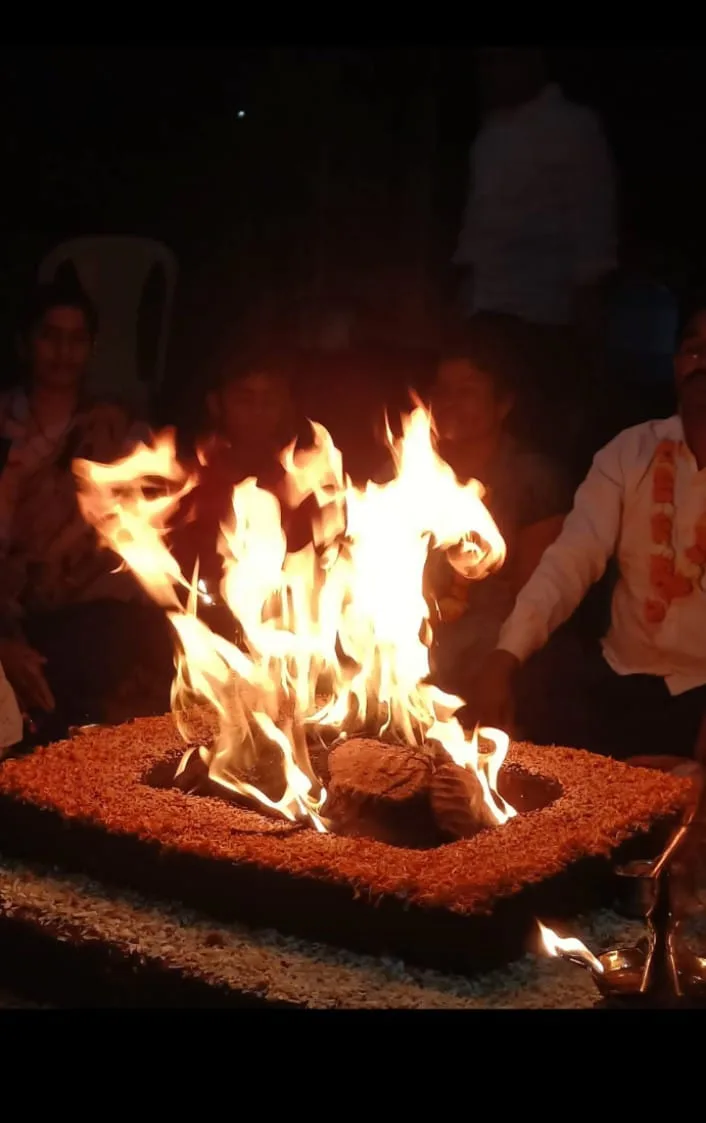
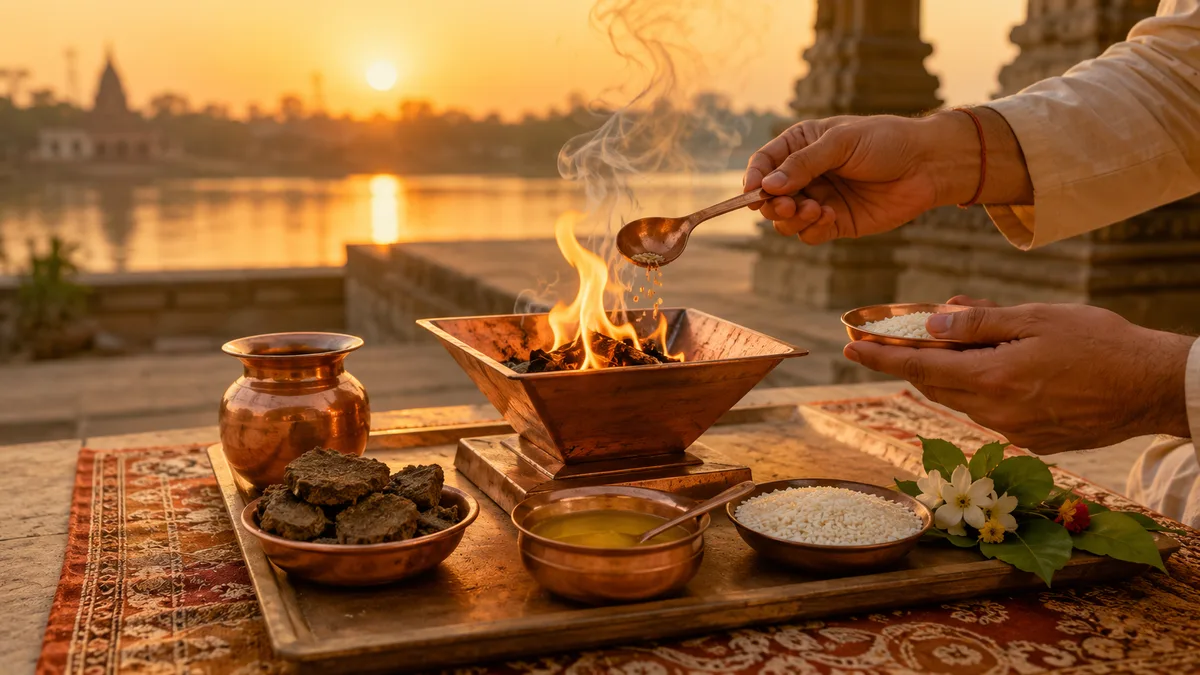
In the commonly practised form of Agnihotra, a small fire is prepared in a specially designed copper pyramid using natural materials.
At the prescribed local sunrise or sunset time, specific mantras are recited and small portions of rice mixed with ghee are offered into the fire.
The actual ritual is brief.
Its significance for many practitioners comes from regularity, mindfulness, intention, tradition, and the discipline of performing it at specific times each day.
What Is the Rajyog Agnihotra Programme?
The Rajyog Agnihotra Programme is an awareness and training initiative designed to help participants understand Agnihotra beyond simply watching the ritual.
Participants can learn about:
Meaning and traditional significance of Agnihotra
Correct materials required
Preparation of the copper pyramid
Preparation of the fire
Importance of sunrise and sunset timings
Agnihotra mantras
Traditional offering procedure
Meditation and silence after Agnihotra
Developing a regular practice
Conscious living and mindfulness
Family participation
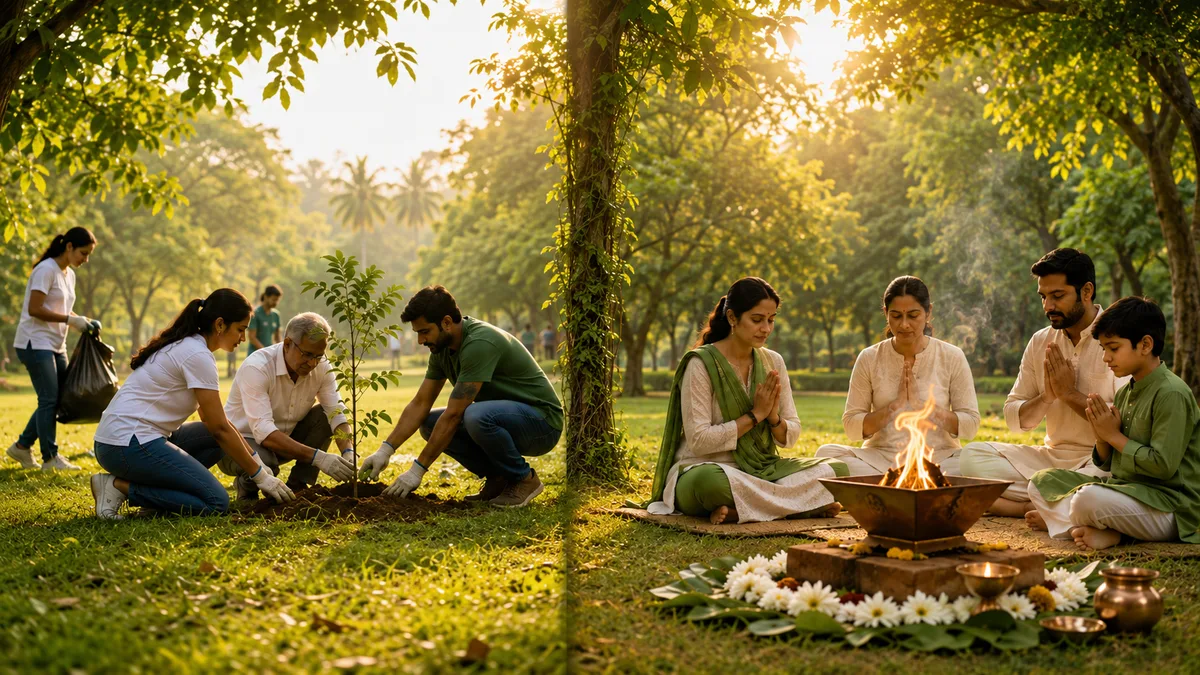
Environmental awareness
The objective is to make the practice understandable enough for interested participants to explore it responsibly in everyday life.
What Materials Are Traditionally Used for Agnihotra?
The traditional practice commonly involves a few simple materials.
Copper Pyramid
A specifically shaped copper pyramid is traditionally used as the vessel for performing Agnihotra.
Dried Cow Dung
Dried cow dung cakes are traditionally used to prepare the fire.
Pure Cow's Ghee
Ghee is used while preparing the fire and with the offering.
Whole Rice
Whole, unbroken rice grains are traditionally mixed with a small quantity of ghee for the offering.
Agnihotra Mantras
Specific mantras are recited at the prescribed sunrise and sunset timings.
Learning the correct procedure from a knowledgeable trainer can help beginners understand these elements properly.
Why Is Agnihotra Performed at Sunrise and Sunset?
Sunrise and sunset are natural transition points in the daily cycle.
Sunrise represents the transition from darkness toward daylight and activity.
Sunset represents the transition from daytime activity toward evening and rest.
Agnihotra traditionally gives particular importance to these transition periods.
From the perspective of daily living, having a regular practice associated with sunrise and sunset can also create a structured rhythm.
It provides an opportunity to begin and end the active part of the day with awareness rather than immediately turning toward screens, work, or other distractions.
How Is Agnihotra Performed?
Although proper training is recommended, the basic traditional process can be understood simply.
A small fire is prepared inside the copper pyramid using dried cow dung and ghee.
The practitioner prepares whole rice grains with a small amount of ghee.
At the prescribed local sunrise or sunset time, the appropriate Agnihotra mantra is recited.
Small portions of the prepared rice are offered into the fire at the appropriate points in the mantra.
After the offering, participants may remain quietly seated for a few moments.
This period can naturally transition into meditation, mindful breathing, gratitude, prayer, or silent reflection.
Potential Benefits of a Regular Agnihotra Practice
People explore Agnihotra for different reasons.
Rather than viewing it as a cure or guaranteed solution, Agnihotra can be understood as a traditional practice that may form part of a broader mindful and conscious lifestyle.
1. A Daily Moment of Peace
One of the simplest potential benefits is also one of the most valuable.
Agnihotra creates a reason to stop.
For a few minutes, the phone can be put aside, work can wait, and attention can return to the present moment.
2. Mindfulness & Awareness
Preparing the materials, observing the timing, reciting the mantra, and sitting near the fire all require attention.
This can create a structured mindfulness experience within everyday life.
3. Discipline & Consistency
Because Agnihotra is connected to specific sunrise and sunset timings, maintaining the practice requires consistency.
Regularity itself can encourage greater discipline in one's daily routine.
4. Family Togetherness
Agnihotra can be practised collectively.
When family members participate together, it creates a shared moment away from television, phones, work, and other distractions.
It can become a meaningful family ritual centered around peace, gratitude, and togetherness.
5. Meditation & Inner Reflection
The period immediately after Agnihotra can be used for quiet meditation.
Participants may practise:
Mindful Breathing • Silence • Meditation • Gratitude • Prayer • Positive Reflection
6. Spiritual Awareness
For people approaching Agnihotra through its traditional or spiritual context, the practice can provide an opportunity to explore prayer, gratitude, discipline, and deeper self-reflection.
7. Connection With Natural Rhythms
Modern schedules can disconnect us from natural cycles.
Because Agnihotra follows sunrise and sunset, practitioners become more conscious of these daily transitions.
8. Conscious Living
A few mindful minutes may influence how we approach the rest of the day.
Agnihotra can therefore become one component of a broader lifestyle focused on greater awareness, responsibility, harmony, and intentional living.
Rajyog Agnihotra for Families
The modern family faces an interesting challenge.
We may live in the same house while spending much of our free time looking at different screens.
Parents have work.
Children have school and digital entertainment.
Everyone has different schedules.
A collective Agnihotra practice can provide a small period during which the family intentionally comes together.
No phones.
No television.
No scrolling.
Just a few moments of shared presence.
This simple habit can become a meaningful family tradition.
Rajyog Agnihotra for Students
Students today face academic pressure, competitive examinations, digital distractions, changing social environments, and expectations about their future.
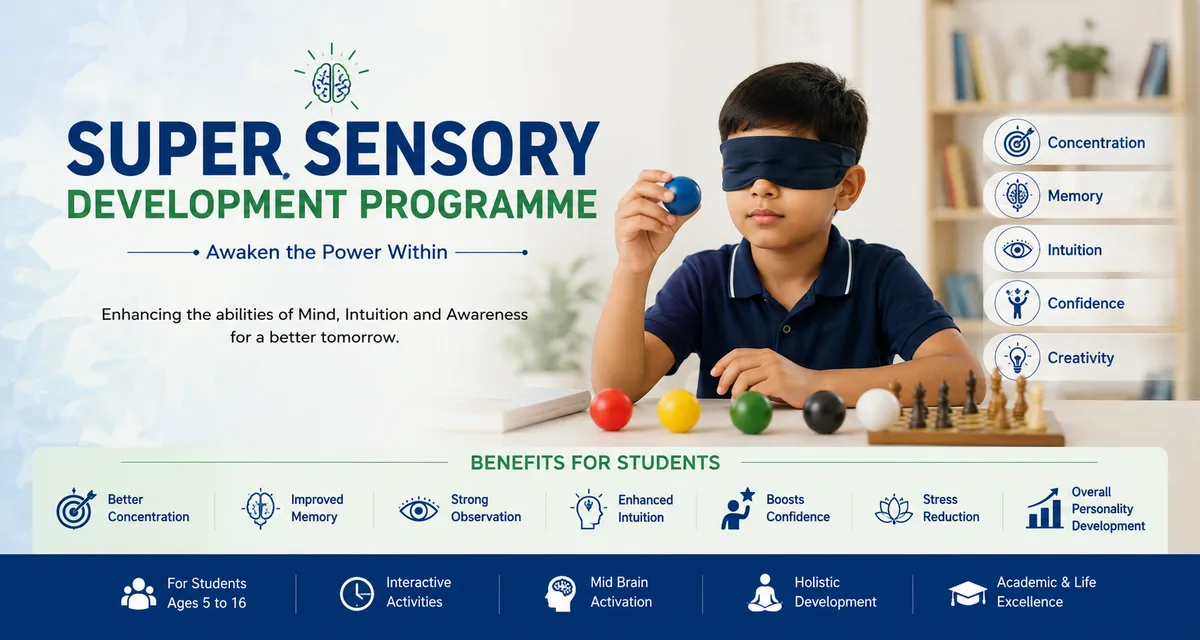
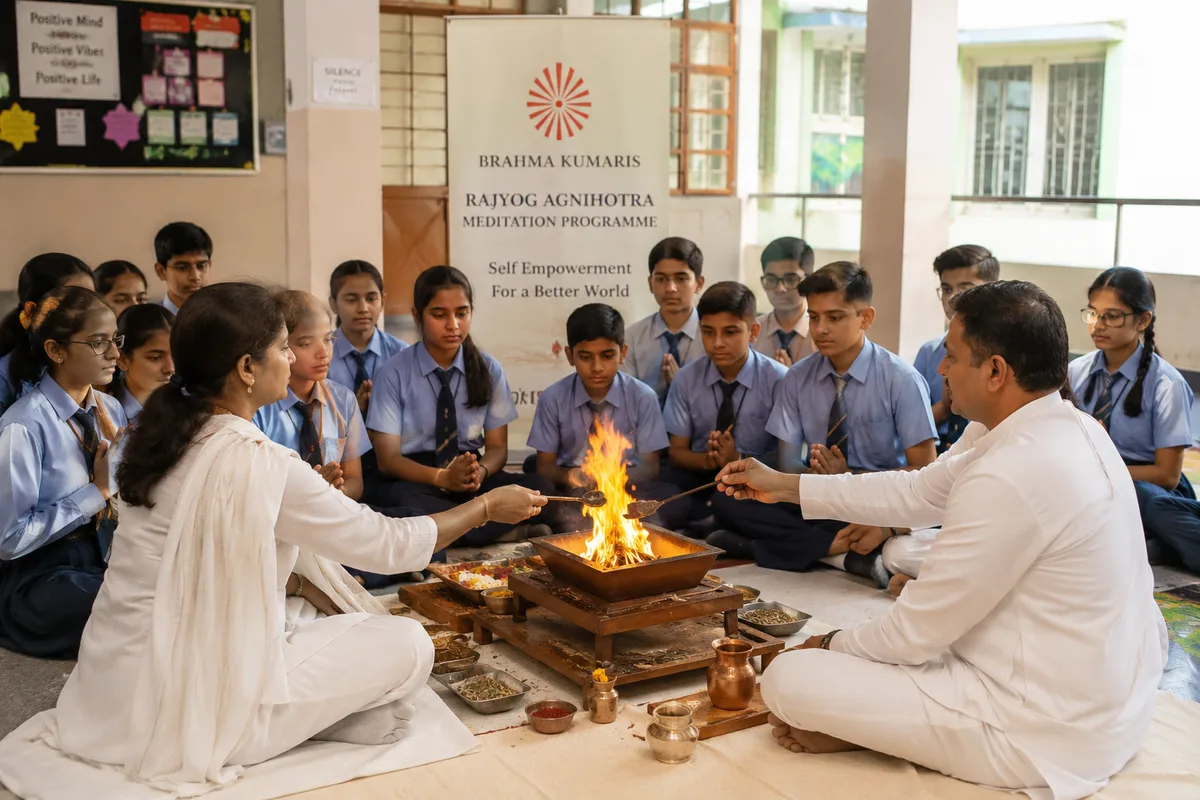
Schools and colleges can introduce students to Agnihotra through structured awareness programmes covering broader concepts such as:
Mindfulness
Concentration
Meditation
Discipline
Traditional knowledge
Environmental awareness
Positive values
Conscious living
Agnihotra should not be presented as a guaranteed method for improving marks or treating stress-related conditions.
Instead, it can be introduced as part of broader educational awareness around traditional practices and mindful living.
Rajyog Agnihotra for Corporate Organisations
Modern workplaces are highly connected but can also be highly demanding.
Deadlines, meetings, targets, emails, notifications, travel, and responsibilities can leave professionals with very little time for conscious reflection.
Corporate Agnihotra and mindfulness awareness programmes can introduce employees to concepts such as:
Mindfulness • Meditation • Self-Awareness • Conscious Living • Positive Workplace Culture • Traditional Wellness Practices
Such programmes can complement an organisation's broader employee wellness initiatives.
Rajyog Agnihotra for Residential Communities
Collective activities can help communities connect beyond everyday interactions.
Agnihotra awareness programmes can be organized in:
Housing Societies • Clubhouses • Community Halls • Residential Communities • Social Organisations
A community session can combine an introduction to Agnihotra, demonstration, meditation, and discussion around conscious living.
Rajyog Agnihotra for Farms & Rural Communities
Agnihotra is also discussed in relation to agriculture and environmental traditions.
Some practitioners and publications attribute agricultural or environmental effects to Agnihotra and its ash.
However, claims involving crop yield, soil quality, air purification, microorganisms, or pollution reduction should be evaluated carefully according to the quality of available scientific evidence.
Agnihotra should complement—not replace—evidence-based agricultural, environmental, or pollution-control practices.
Agnihotra and Meditation
Agnihotra and meditation can work naturally together as personal practices.
After the offering is complete, the practitioner can remain quietly seated.
Rather than immediately returning to a phone or another activity, this period can be used for mindful observation.
Even five or ten minutes can create a meaningful pause.
The objective does not have to be complicated.
Be present.
Observe your breath.
Notice your thoughts.
Practise gratitude.
Return your attention to the moment.
Is Agnihotra Scientifically Proven?
This question deserves a responsible answer.
Research and publications have explored various claims related to Agnihotra, including possible effects involving air, microorganisms, agriculture, and environmental conditions.
However, the evidence base varies significantly in quality, methodology, replication, and strength depending on the specific claim.
Therefore, broad claims that Agnihotra can cure diseases, completely purify polluted air, or guarantee particular physical or psychological outcomes should not be presented as established scientific facts.
Traditional wisdom can be respected without overstating scientific evidence.
Can Agnihotra Cure Diseases?
Agnihotra should not be used as a replacement for medical treatment.
If a person has a physical or psychological health condition, they should seek appropriate care from qualified healthcare professionals.
Agnihotra, meditation, prayer, and mindfulness can be explored as complementary personal or spiritual practices where appropriate, but prescribed treatment should never be stopped or altered solely because someone has begun practising Agnihotra.
Do You Need to Follow a Particular Religion?
Agnihotra has roots in Vedic tradition.
People from different backgrounds may nevertheless learn about its history, philosophy, cultural significance, and practice.
At Rajyog Agnihotra Global Foundation, our broader emphasis is on awareness, education, mindfulness, conscious living, family harmony, positive values, and responsible understanding of traditional knowledge.
Learn Agnihotra the Right Way
Watching a short video may show you what Agnihotra looks like.
Structured training helps you understand why, when, and how it is performed.
Through the Rajyog Agnihotra Programme, participants can learn about:
Materials → Preparation → Correct Timing → Mantras → Offering → Meditation → Regular Practice
Once the fundamentals are understood properly, interested individuals can explore incorporating the practice into their daily routine.
Our Mission at Rajyog Agnihotra Global Foundation
Rajyog Agnihotra Global Foundation is a purpose-driven organisation committed to promoting awareness around Agnihotra, meditation, conscious living, holistic well-being, positive values, and environmental responsibility.
Through structured:
Awareness Programmes • Workshops • Training Initiatives • Community Engagements • Educational Activities
we aim to extend awareness of Rajyog Agnihotra across:
Homes • Schools • Colleges • Corporate Organisations • Residential Communities • Farms • Social Institutions
We believe meaningful societal transformation begins with individuals becoming more conscious of themselves, their families, their communities, and the environment around them.
A Small Flame. A Conscious Beginning.
Transformation does not always begin with something complicated.
Sometimes it begins with a few minutes.
A small flame.
A quiet mind.
A family sitting together.
A moment of gratitude.
And a conscious decision to make those few minutes part of everyday life.
That is the spirit behind the Rajyog Agnihotra Programme.
If you would like to learn Agnihotra, attend a programme, organize an awareness session for your school, college, corporate organisation, residential society, farm, or community, or associate with our initiatives, connect with Rajyog Agnihotra Global Foundation.
Ancient Wisdom. Mindful Living. Positive Transformation.
Visit: www.rajyogagnihotraglobal.org
Disclaimer: Agnihotra, meditation, and associated traditional or wellness practices are complementary practices. They are not intended to diagnose, treat, cure, or prevent any medical or psychological condition and should not replace qualified medical, psychological, environmental, agricultural, or other professional advice. Individual experiences may vary.